
PVC garden pipes (such as watering pipes, sprinkler pipes, etc.) may have water leakage problems in use, affecting the efficiency of use and wasting water resources. Here's an in-depth look at the causes, solutions, and preventive measures of leaks:
一、Analysis of common leakage causes
1. The connection is loose
Aging of quick couplings: Long-term exposure to the sun and rain leads to embrittlement of plastics and deformation of sealing rings.
Untightened threads: Insufficient tightening or misaligned threads during manual installation.
2. The pipe body is damaged
Physical damage: Cuts, trampling, or animal bites from gardening tools.
Ultraviolet aging: Long-term exposure to the sun makes PVC brittle and cracks appear (especially for inferior pipes).
Freeze cracking: Frozen and expanding water in winter, causing pipe walls to rupture (common when water pipes are not emptied).
3. Defects in materials or workmanship
Uneven wall thickness: Low-priced pipes may have manufacturing defects.
Glue bonding failure: No special PVC glue was used, or the surface was not cleaned before bonding.
二、 Targeted solutions
1. Water leakage treatment at the joint
Replace the sealing ring: Choose an EPDM rubber ring with good weather resistance, and apply silicone grease to enhance the sealing.
Thread reinforcement: Use raw tape (PTFE tape) to wrap the thread 3-5 times before tightening.
Switch to clamp connection: For the connection between the hose and the hard pipe, use stainless steel clamps instead of ordinary fittings.
2. Repair the damage of the pipe body
Small Holes/Cracks:
PVC Repair Adhesive: Clean the damaged area and apply a special adhesive (such as Loctite PVC adhesive) to cure for 24 hours.
Heat shrinkable tubing: cover the damaged part and heat the shrink seal with a heat gun.
Extensive rupture:
Truncation and replacement: cut off the damaged section and connect the two ends with straight joints (need to be glued or threaded).
3. Freeze cracking prevention
Drain the stored water: Blow the water in the pipe with compressed air before winter.
Insulation wrapping: Wrap the water pipe with a foam tube sleeve or insulation cotton in cold areas.
三、 Key measures to prevent leakage
1. Choose high-quality pipes
Look for UV Stabilizer for outdoor-specific tubes (e.g., labeled "Sunlight Resistant").
Choose thick-walled pipes (e.g., wall thickness ≥ 2mm) for greater compression resistance.
2. Proper installation and maintenance
Avoid right-angle bending: Use elbow fittings to reduce stress concentrations.
Buried protection: buried deep of more than 30cm during long-term laying, or covered with a protective pipe groove.
Regular inspection: Inspect the joints and pipe bodies in spring and autumn every year, and replace the aging parts in time.
3. Upgrade accessories
Replace plastic fittings with heavy-duty quick couplings, such as Gardena metal core couplings.
Install a pressure reducing valve in a high-pressure area (to prevent water hammer from impacting the pipeline).
四、Suggestions for handling special scenarios
Drip irrigation system leakage: Check if the dripper is clogged and the local pressure is too high, and use a pressure-compensated dripper instead.
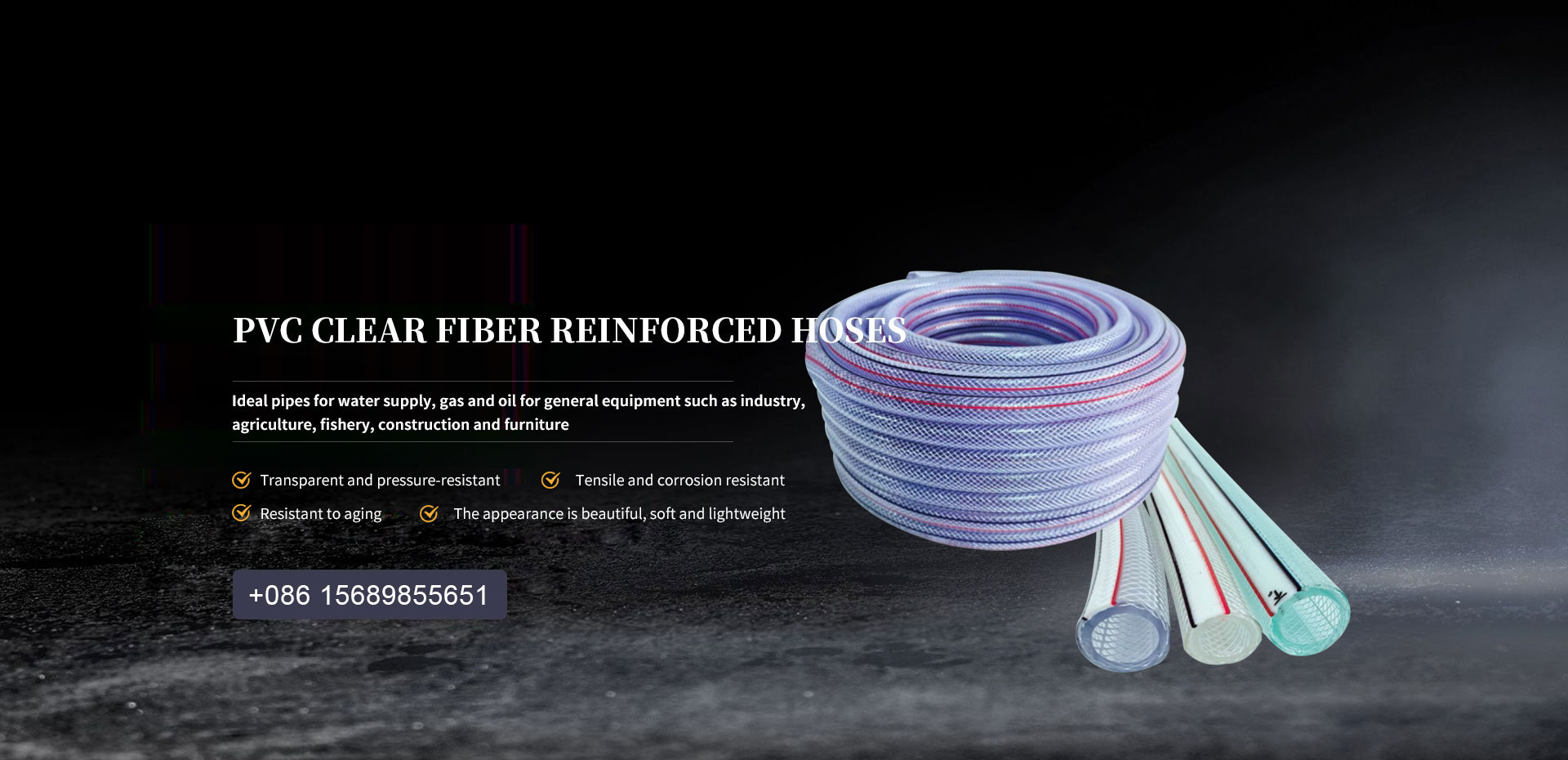
Mobile sprinkler: Choose a PVC hose with fiber reinforcement that is kink-resistant and abrasion-resistant.
五、Material alternatives
In case of frequent leaks, consider higher-performance alternatives:
PE pipe: more flexible and frost-resistant, but less resistant to ultraviolet rays.
Rubber tubing: strong aging resistance, but high cost and weight.
Through the above measures, the risk of leakage of PVC garden pipes can be significantly reduced. If the problem persists, it is advisable to systematically check the pipe design (e.g., pressure matching, slope reasonableness) or consult with a professional horticultural irrigation service provider.